Introduction to Skin Types
Understanding your unique skin type is crucial for creating an effective skincare regimen tailored to meet its specific needs. Skin types generally fall into five categories: normal, oily, dry, combination, and sensitive. Each type presents its distinct characteristics and requires a corresponding approach to skincare. For instance, individuals with oily skin often benefit from lightweight cleansers and gel-based moisturizers that control excess oil, while those with dry skin may require cream-based cleansers and richer moisturizers to maintain hydration.
The significance of identifying one’s skin type cannot be overstated, as it directly influences the choice of products used in daily skincare routines. For example, a person with a sensitive skin type might need to steer clear of harsh exfoliants that could cause irritation and instead opt for gentle cleansers and soothing moisturizers enriched with calming ingredients. Similarly, those with oily skin should select oil-free sunscreens to prevent aggravating their condition. Ultimately, this knowledge empowers individuals to choose the right cleansers, moisturizers, sunscreens, and exfoliants that work best for their unique skin characteristics.
Moreover, understanding skin types facilitates not only product selection but also the consideration of lifestyle factors, such as eating healthy. A balanced diet rich in vitamins and antioxidants contributes significantly to overall skin health and can enhance the efficacy of topical products. By recognizing how these elements interconnect with skin type, individuals can adopt a holistic approach to skincare.
By analysing the characteristics of each skin type and their manifestations, individuals can establish an informed foundation for their skincare journey. This awareness paves the way for optimal skin health and a more radiant appearance through the diligent application of appropriate products and practices designed for individual needs.
Identifying Your Skin Type
Determining your skin type is a crucial first step toward establishing an effective skincare routine. Understanding whether you have oily, dry, combination, or sensitive skin can significantly influence the products you choose, including cleansers, moisturizers, exfoliants, and sunscreen. Here are some practical methods to identify your skin type.
One popular technique is the ‘Bare-Faced Test.’ Begin by cleansing your face with a gentle cleanser to remove any makeup or dirt. Afterward, leave your skin bare—do not apply any moisturizers or other products. Wait for about an hour without touching your face. After this period, assess how your skin feels:
- If your skin feels tight, flaky, or rough, you likely have dry skin.
- If your skin appears shiny and feels greasy, it may be classified as oily.
- If your skin is both oily in the T-zone (forehead, nose, chin) and dry or normal on the cheeks, you have combination skin.
- If you experience discomfort, redness, or reactions to various products, you may have sensitive skin.
Another method for assessing your skin type involves observing how your skin reacts after a day of wearing no makeup. If your skin feels oily by midday, it likely indicates an oily skin type. Conversely, if you notice that your skin is peeling or feels tight shortly after washing, then dry skin may be the issue.
Additionally, consider your personal skincare routine. If your skin benefits from long-lasting moisturizers and less frequent exfoliation, you may lean towards dry skin. On the other hand, if you find continuous oiliness throughout the day despite regular cleansing, an oily skin type may be present.
Lastly, remember that proper hydration and eating healthy can enhance your skin’s condition regardless of its type. The right skincare products will complement your unique skin needs, ensuring optimal health and appearance.
Oily Skin: Characteristics and Care
Oily skin is characterized by an overproduction of sebum, which often leads to a shiny appearance, particularly in areas such as the forehead, nose, and chin—commonly referred to as the T-zone. Individuals with this skin type may notice enlarged pores and a propensity for acne breakouts due to clogged pores. It is essential for those with oily skin to establish a skincare regimen that helps manage this excess oil while maintaining hydration and preventing adverse skin issues.
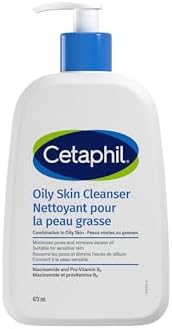
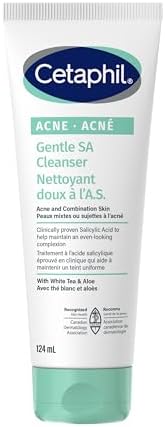
When it comes to selecting products, starting with a gentle yet effective cleanser is crucial. Look for formulations specifically designed for oily skin, ideally containing salicylic acid or tea tree oil, as they can help remove excess oil without stripping the skin of its natural moisture. Following cleansing, opt for oil-free moisturisers that provide hydration without contributing to oiliness. Gel-based moisturisers are particularly well-suited for this skin type, as they absorb quickly and leave a light finish.
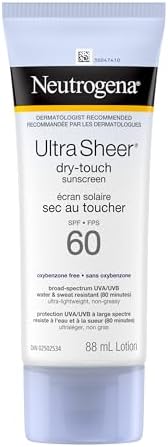
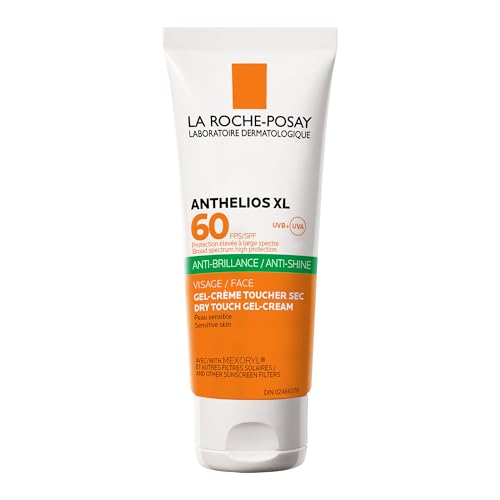
Sunscreen is another essential component of any skincare routine, even for those with oily skin. Choose a broad-spectrum sunscreen that is labeled as “oil-free” or “non-comedogenic” to prevent clogged pores while still offering necessary UV protection. Furthermore, incorporating a suitable exfoliant into your weekly routine can help to eliminate dead skin cells that may contribute to breakouts. Look for products containing glycolic or lactic acid, which gently exfoliate the skin’s surface.
Many celebrities embrace their oily skin by utilizing these varied skincare strategies. Notable figures like Rihanna and Kristen Stewart have openly discussed their experiences with oily skin and shared their go-to products, showcasing that with the right approach and routine, oily skin can be managed effectively. By adopting a regimen that includes specific cleansers, moisturisers, sunscreens, and exfoliants, individuals with oily skin can achieve a balanced, healthy complexion while still feeling confident in their skin.
Dry Skin: Characteristics and Care
Dry skin is characterized by a lack of moisture, often resulting in a feeling of tightness, rough patches, and visible flaking. Individuals with this skin type might find that their skin becomes especially dry in harsh weather conditions, leading to discomfort. Common signs to look for include a dull appearance, increased sensitivity, and a propensity to itch. These symptoms can make daily skin maintenance essential for achieving a healthy radiance.
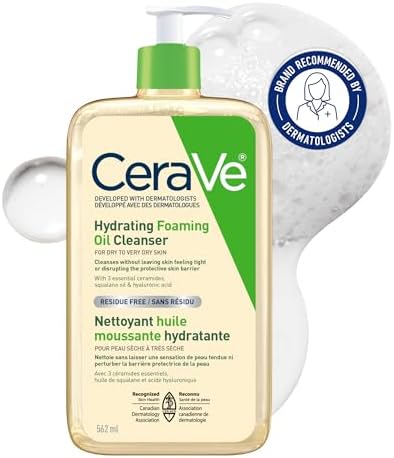
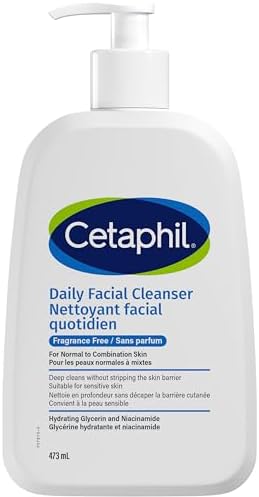
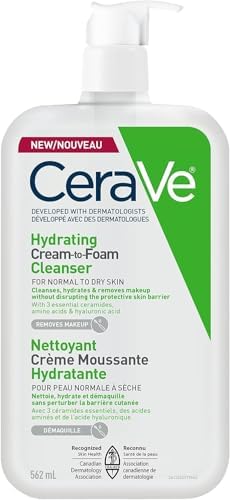
When it comes to selecting appropriate skincare products for dry skin, the key lies in hydration and nourishment. A hydrating cleanser is essential for removing impurities without stripping the skin of its natural moisture. Look for cleansers that contain gentle, hydrating ingredients such as glycerin or hyaluronic acid that effectively cleanse while maintaining skin’s moisture balance.
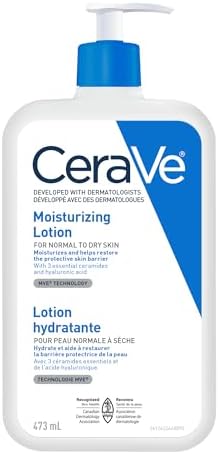
Rich moisturizers are another vital component in a care routine. Opt for formulations that feature occlusive agents, such as shea butter or lanolin, which seal in moisture and create a protective barrier on the skin. Products that are fragrance-free and provide intense hydration will ensure your skin remains supple and hydrated throughout the day. For an additional boost, using a gentle exfoliant a few times a week can help remove dead skin cells and promote healthy cell turnover, but be careful to choose those designed specifically for sensitive skin.
Several celebrities have shared their skincare routines to manage dry skin effectively. For instance, renowned actress Jennifer Aniston swears by a rigorous moisturizing regimen complemented by the use of sunscreen to protect her skin from environmental damage. With the right products and a consistent routine focusing on cleansers, moisturizers, and exfoliants, individuals with dry skin can restore their skin’s vitality while keeping it healthy and beautiful.
Combination Skin: Characteristics and Care
Combination skin is a unique skin type that exhibits characteristics of both oily and dry skin. Typically, individuals with this skin type find that certain areas of their face, such as the T-zone (forehead, nose, and chin), are oily, while other areas, like the cheeks, can be dry or even sensitive. This duality can make selecting the appropriate skincare products more challenging, as the goal is to both nourish the dry areas and control oil production in the oily regions.
When choosing a cleanser for combination skin, opt for gentle formulations that will effectively remove makeup and impurities without stripping the skin of its essential moisture. A dual-purpose cleanser that balances these needs can work wonders, such as facial gels that target excess oil while also hydrating the drier sections. Using a cleanser infused with natural extracts can also enhance the cleansing experience without overwhelming the skin.
For moisturization, lightweight moisturisers are ideal. These products should hydrate the skin without feeling too heavy or greasy. Look for gel-based or oil-free moisturisers that provide hydration while allowing the skin to breathe. Ingredients such as hyaluronic acid and glycerin attract moisture, making them excellent choices for combo skin.
Incorporating a targeted exfolient into the regimen can help maintain the skin’s balance. Regular exfoliation will slough away dead skin cells that may cause dryness or congestion. Importantly, individuals with combination skin should practice eating healthy, as a balanced diet contributes to overall skin health. Celebrities like Emma Watson and Selena Gomez are known to thrive with combination skin. They often emphasize maintaining a balanced regimen that includes hydrating serums and diligent sun protection with high-SPF sunscreen. This holistic approach promotes a radiant complexion, harmonizing the unique demands of combination skin.
Sensitive Skin: Characteristics and Care
Sensitive skin is a common condition characterized by heightened reactivity to various environmental factors, products, and skincare routines. Individuals with sensitive skin often experience discomfort, leading to symptoms such as redness, irritation, and a burning or tingling sensation. This skin type may result from several factors, including genetic predisposition, underlying skin conditions such as eczema or rosacea, and external irritants like pollution and harsh weather. Recognizing these characteristics is essential for selecting an appropriate skincare regimen.
When caring for sensitive skin, it is crucial to prioritize gentleness and soothing properties. Suitable cleansers should be free from fragrances and harsh chemicals, thus minimizing the risk of irritation. Gentle, hydrating cleansers made with soothing ingredients like aloe vera or chamomile can effectively cleanse the skin without stripping away its natural barrier. Following cleansing, using hypoallergenic moisturizers is vital for maintaining hydration. Look for products containing calming ingredients such as shea butter or ceramides, which help restore the skin’s moisture balance and strengthen its barrier function.
In addition to cleansers and moisturizers, protecting sensitive skin from the sun is paramount. Mineral-based sunscreens, with zinc oxide or titanium dioxide, are advisable, as they sit on the skin’s surface and reflect harmful UV rays without causing irritation. Celebrities such as Emma Stone and Sarah Jessica Parker have been open about their experiences with sensitive skin and often opt for skincare products that include gentle cleansers and mineral sunscreens in their routines, showcasing the importance of adapting one’s regimen to suit their skin type. By incorporating these thoughtful choices into daily care, those with sensitive skin can achieve a balance that promotes overall skin health and comfort.
The Role of Healthy Eating in Skincare
Maintaining healthy skin goes beyond the usage of products like cleansers, moisturisers, and sunscreen; it fundamentally begins from within. The nourishment provided by a balanced diet plays a crucial role in enhancing overall skin health. Essential nutrients, particularly vitamins and antioxidants, are key contributors to achieving and maintaining a radiant complexion. For instance, Vitamin C is known for its powerful antioxidant properties and can be found in fruits such as oranges, strawberries, and kiwis. This vitamin helps in collagen production, crucial for skin firmness and elasticity.
Another important nutrient is Vitamin E, which acts as an antioxidant that helps protect the skin from oxidative damage. Sources of Vitamin E include nuts, seeds, and green leafy vegetables. Similarly, Omega-3 fatty acids, found in fish like salmon and sources like flaxseeds, contribute to maintaining skin’s moisture and reducing inflammation, thereby playing a supportive role in any skincare routine.
Furthermore, incorporating foods rich in beta-carotene, like carrots and sweet potatoes, can enhance the skin’s natural glow. These foods convert into Vitamin A in the body, which is essential for skin repair and health. Consuming these nutrients collectively contributes to a balanced approach to skin care, augmenting the effects of topical treatments such as exfoliants and moisturisers.
Adequate hydration is another crucial aspect of healthy eating that directly correlates with skin quality. Water helps to keep the skin hydrated and plump, facilitating the elimination of toxins. Additionally, limiting processed foods, sugars, and unhealthy fats can prevent the onset of skin concerns like acne and dullness.
In tandem with a consistent skincare regimen involving cleansers, moisturisers, and sunscreen, adopting a nutritious diet creates a synergistic effect for nurturing the skin. Embracing healthier eating habits not only benefits overall well-being but also enhances the effectiveness of your skincare regimen.
Building Your Personalized Skincare Routine
Crafting a skincare routine tailored to your specific skin type is essential for achieving healthy and radiant skin. Understanding the unique needs of your skin allows for the effective selection of products such as cleansers, moisturisers, exfoliants, and sunscreen. Consistency in your regimen is vital; it typically takes time for your skin to adjust to new products and for visible results to occur. Therefore, it is crucial to remain dedicated to your routine while also being responsive to your skin’s changing needs.
To begin building your personalized skincare routine, identify your skin type, which can generally be categorized as oily, dry, combination, or sensitive. Each skin type will benefit from different formulations. For instance, those with oily skin may prefer gel-based cleansers and lightweight moisturisers. Conversely, individuals with dry skin could opt for cream-based cleansers and richer moisturisers. Incorporating a gentle exfoliant into your routine is beneficial but should be done with caution; exfoliating too frequently can irritate sensitive skin. Aim to exfoliate one to two times a week, adjusting the frequency based on your skin’s response.
When selecting a sunscreen, prioritize broad-spectrum options with at least SPF 30, as daily use can significantly protect your skin from UV damage. Layering products correctly is also key; typically, you will want to start with the thinnest product, such as a serum, and work your way up to thicker ones like creams. Transitioning between routines is also essential as your skin may change due to environmental factors, hormonal shifts, or aging. Always observe how your skin reacts to new products and be prepared to adjust your regimen as necessary. Regular check-ins with your skin will overall enhance your regimen, focusing on maintaining healthy and vibrant skin through, eating healthy and living a balanced lifestyle.
Celebrity Skincare Routines: Inspiration for Every Skin Type
As the beauty industry continues to evolve, celebrities often serve as trendsetters in skincare. Their routines can offer relatable templates for individuals seeking tailored regimens corresponding to different skin types. Understanding individual skin needs is essential in forging an effective skincare routine that includes cleansers, moisturizers, sunscreens, and exfoliants, while also incorporating healthy eating habits.
For instance, renowned actress Jessica Alba, recognized for her radiant complexion, embraces a routine aimed at normal skin. She begins her regimen with a gentle gel cleanser followed by hydrating moisturizers that contain hyaluronic acid. Alba stresses the importance of applying sunscreen daily, highlighting it as the cornerstone of her skincare routine. This approach ensures that her skin remains protected and luminous, no matter the season.
On the other hand, pop icon Rihanna caters to those with oily or combination skin. She emphasizes the role of chemical exfoliants in her regimen, helping to regulate oil production while preventing breakouts. Rihanna utilizes clay masks to absorb excess oil and often opts for lightweight moisturizers that don’t clog her pores. Her commitment to balancing hydration levels showcases how personalized products can significantly impact the appearance of one’s skin.
For those with dry skin, actress Mila Kunis recommends incorporating nourishing creams and oils. In her routine, she first uses a creamy cleanser that hydrates without stripping essential oils. To combat dryness, she layers rich moisturizers and often applies a protective sunscreen. Kunis also advocates for the benefits of eating healthy, noting that a balanced diet rich in vitamins contributes substantially to her skin’s overall health.
These celebrity examples serve not only as inspiration but also underscore the importance of selecting the right products based on individual skin types. By observing how different stars address their specific skincare needs, readers can begin to formulate their own optimal routines that enhance their skin’s natural allure.
Conclusion
Understanding your skin type is essential for establishing an effective skincare regimen tailored to your unique needs. Each individual’s skin has distinct characteristics, influenced by factors such as genetics, lifestyle, and environmental conditions. By identifying whether your skin is oily, dry, combination, or sensitive, you can make informed decisions regarding the appropriate products to incorporate into your daily routine. This includes choosing suitable cleansers, moisturisers, exfoliants, and sunscreen that align with your skin’s specific requirements.
Moreover, recognizing your skin type facilitates better responses to external elements. For instance, individuals with oily skin may benefit from lightweight, oil-free moisturisers, while those with dry skin might find richer formulations more effective. Additionally, employing the right exfoliants helps in maintaining skin texture and clarity, enhancing overall appearance. It is crucial to consider how lifestyle choices, such as eating healthy, can also impact skin health, demonstrating the interconnectedness of internal and external care.
Experimenting with various skincare products and routines tailored to your individual skin type can ultimately lead to transformative improvements. The initial steps of this journey may require some trial and error, but the long-term benefits of investing time and effort into understanding and catering to your skin’s needs are undeniable. With the right knowledge and products, individuals can achieve healthier, more radiant skin, fostering not just aesthetic enhancements but also greater self-confidence. In conclusion, taking the time to discern your skin type and adapt your skincare practices accordingly is a foundational element for achieving optimal skin health and vitality.